post · March 10, 2024 · 1 min read
Introduction to DevSecOps
By Saleh Elnagar
DevSecOps stands for Development, Security, and Operations. It is an evolution of the DevOps practice that integrates security practices throughout the software development lifecycle instead of treating security as an afterthought.
In traditional software development, security reviews and testing often occur late in the release process. This approach can lead to vulnerabilities being discovered just before deployment, causing delays and costly rework. In a DevSecOps approach, security is embedded into each phase of the pipeline – from planning and coding to building, testing, deploying, and monitoring.
Key principles of DevSecOps include:
- Continuous integration and continuous delivery (CI/CD) pipelines that incorporate security scanning and automated testing.
- Collaboration between development, operations, and security teams to ensure that security requirements and best practices are understood and implemented.
- Infrastructure as code (IaC) and configuration management tools that make it easier to apply and audit security controls consistently.
- Monitoring and logging to detect and respond to threats in real time.
By embracing DevSecOps, organizations can deliver software faster without sacrificing security. It encourages a culture of shared responsibility where everyone is accountable for security, resulting in more resilient applications and infrastructure.
Quick AI Summary
DevSecOps stands for Development, Security, and Operations. It is an evolution of the DevOps practice that integrates security practices throughout the software development lifecycle instead of treating security as an afterthought.
Original article body above remains unchanged.
Continue Reading
Related Posts
You know, when I first started using Terraform and Infrastructure as Code on Azure, I honestly didn’t realize how crucial static code analysis could be. At the time, I was more focused on just getting things deployed quickly into Azure subscriptions and keeping costs down. But as our Azure footprint grew—more resource groups, more VNets, […]
Repository: https://github.com/SalehElnagar/azure-terraform-conventions This article walks through how to think about Azure naming conventions and how to turn those decisions into code using the azure-terraform-conventions GitHub repository. That repo contains: The goal is not “just use whatever the repo does”. The goal is: capture your organization’s naming decisions once, codify them with this library, and then […]
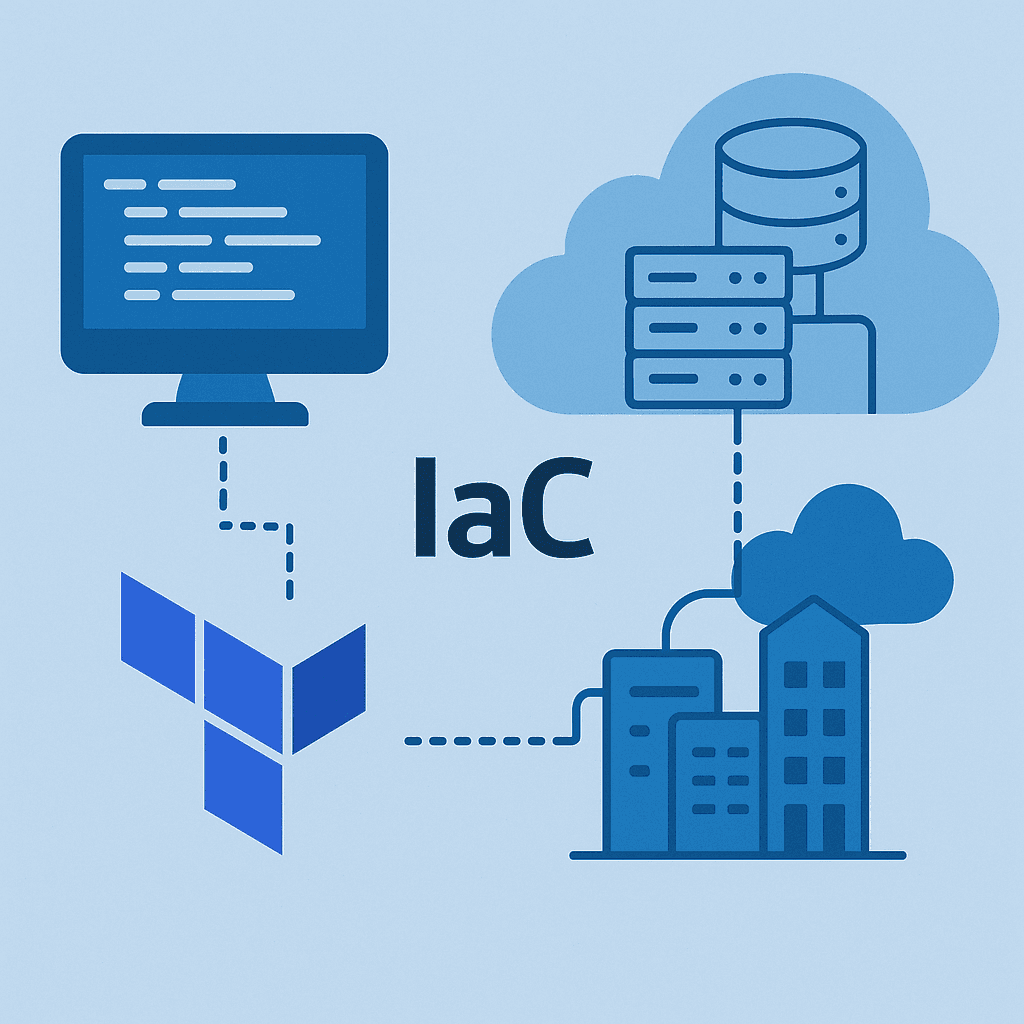
Infrastructure as Code (IaC) is now the standard way to manage and provision cloud resources, and Terraform is one of the most widely adopted tools to do this on Azure. But Terraform needs credentials to talk to Azure: client IDs, client secrets, certificates, tokens, subscription IDs, and more. Those credentials are extremely powerful. If they […]
Get New Playbooks Weekly
Join the newsletter for practical Azure, Terraform, and DevSecOps guides. One actionable email per week.
Comments
Enable comments by setting NEXT_PUBLIC_GISCUS_* environment variables.